Why 2027 Cosmetic Packaging Trends Matter for Your Next Brief
As 2027 approaches, 2027 cosmetic packaging trends are shifting from “nice to have” sustainability claims into hard manufacturing specs that buyers in North America, Brazil, Russia, the GCC, and Southeast Asia now request by default. For a custom makeup packaging OEM/ODM, that means refillable mechanisms, post-consumer recycled (PCR) resins, mono-material structures, and climate-ready closures are moving out of the prototype lab and into volume production. This guide breaks down the six trends our factory sees gaining the most RFQs, with realistic price ranges, a specification table, and the common mistakes that derail a launch. Whether you source lip gloss tubes, cushion compacts, eyeshadow palettes, or luxury lipstick cases, the brands that brief their supplier correctly in 2027 will ship faster and clear customs more easily.
1. Refillable and Reusable Systems Move From Niche to Default
The single biggest shift among 2027 cosmetic packaging trends is the normalization of refillable formats. Buyers who previously treated refills as a premium experiment now ask for them on entry-level cushion compacts and lipstick lines. The mechanics are straightforward: a durable outer shell in ABS or aluminum, plus a low-cost inner refill (PCR-PP or PETG) that the consumer swaps at home. For brands, this cuts per-use material cost and creates a repeat-purchase loop. For factories, it means tighter tolerances on magnetic closures and snap-fits so the refill seats flush after dozens of cycles. Our sustainable cosmetic packaging guide covers the material trade-offs in detail, but the 2027 version of the brief should specify cycle life (target 20–50 refills) up front.
Refillable cushion compacts and lipstick refills are especially popular with GCC and North American private labels that want a visible sustainability story without moving to a fragile all-glass format. Expect a typical price premium of roughly 15–30% over a single-use equivalent, which is usually recovered within two to three refill cycles.
2. PCR and Recycled Content Becomes the Baseline, Not the Bonus
Post-consumer recycled (PCR) resin is no longer a differentiator; for many 2027 cosmetic packaging trends it is a qualification gate. North American and Brazilian buyers increasingly request 30–100% PCR-PP for lip gloss tubes and compact bodies, while the EU’s packaging rules push the same direction. The practical issue is color: high-PCR content shifts toward grey and speckle, so brands targeting a clean white shell need to plan for a painted or soft-touch overlay. We typically run 30%, 50%, and 100% PCR grades and validate drop-test and torque performance at each level before tooling.
The good news is that PCR pricing has compressed. A 50% PCR-PP lip gloss tube now lands within a few cents of virgin resin at volume, and the carbon-story return on investment shows up directly in marketing copy and retailer scorecards.
3. Mono-Material Design for Genuine Recyclability
Closely tied to PCR is the move toward mono-material construction. A compact made of bonded ABS, PP, and a metal spring is technically “recyclable” on paper but rarely recycled in practice because sortation lines cannot separate it. Mono-PP and mono-ABS eyeshadow palettes and compacts solve this: one resin stream, easy to grind and re-pelletize. The constraint is performance — mono-material hinges and latches need smarter design (living hinges, snap geometry) rather than glued metal springs. This is where an experienced OEM earns its fee, because the difference between a palette that survives shipping and one that cracks is usually 0.2 mm of rib and a 3° draft angle.
For brands comparing options, our 2026 packaging trends recap explains why mono-material was the “one to watch” last year; in 2027 it is the one to specify.
4. Compact, Mini, and Travel Formats Keep Climbing
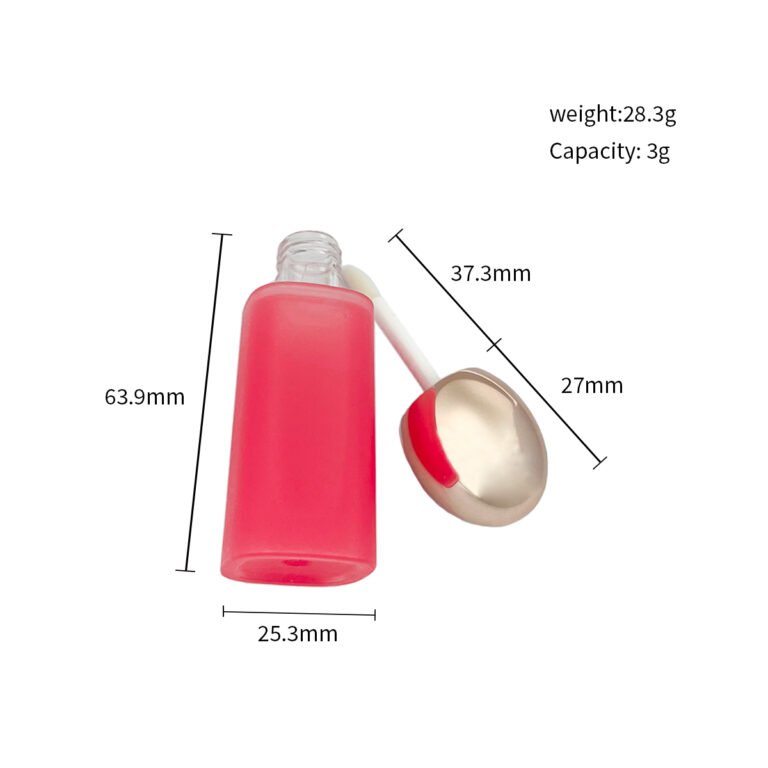
Mini formats are a quiet workhorse of 2027 cosmetic packaging trends. A 3–4 ml mini lip gloss tube lowers the barrier to trial, performs beautifully in Southeast Asian convenience channels and Brazilian travel retail, and pairs naturally with the sampling economy of TikTok Shop and Shopee. The engineering ask is precision: small-diameter tubes need reliable dobber and flocked-wand applicators that dispense consistently at low fill volumes.

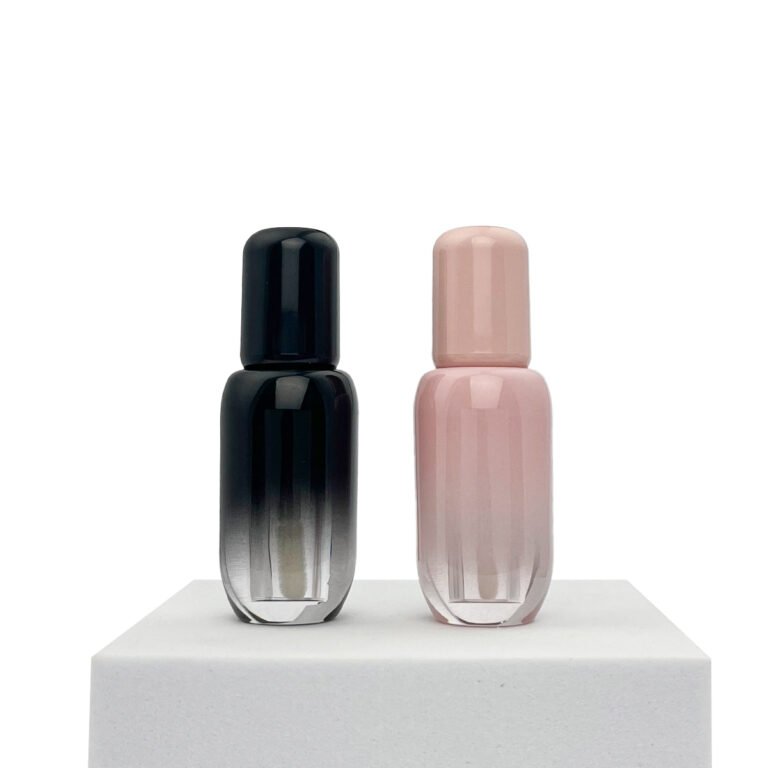
We see strong repeat orders on mini lip gloss and mini cushion formats from brands building “routine sets” — a full face in pocket size. The oval-cap lip gloss tube and similar stock shapes can be customized with soft-touch and color-match to read premium despite the small footprint.
5. “Quiet Luxury” Decoration Over Loud Logos
Decoration taste in 2027 leans restrained. Instead of oversized printed logos, brands want soft-touch coatings, subtle metallization, debossed monograms, and tonal gradients. This reads as expensive without the cost and environmental load of multi-pass UV and foil. For Russian and GCC private labels especially, a matte black or ivory compact with a single debossed mark outperforms a busy printed one.
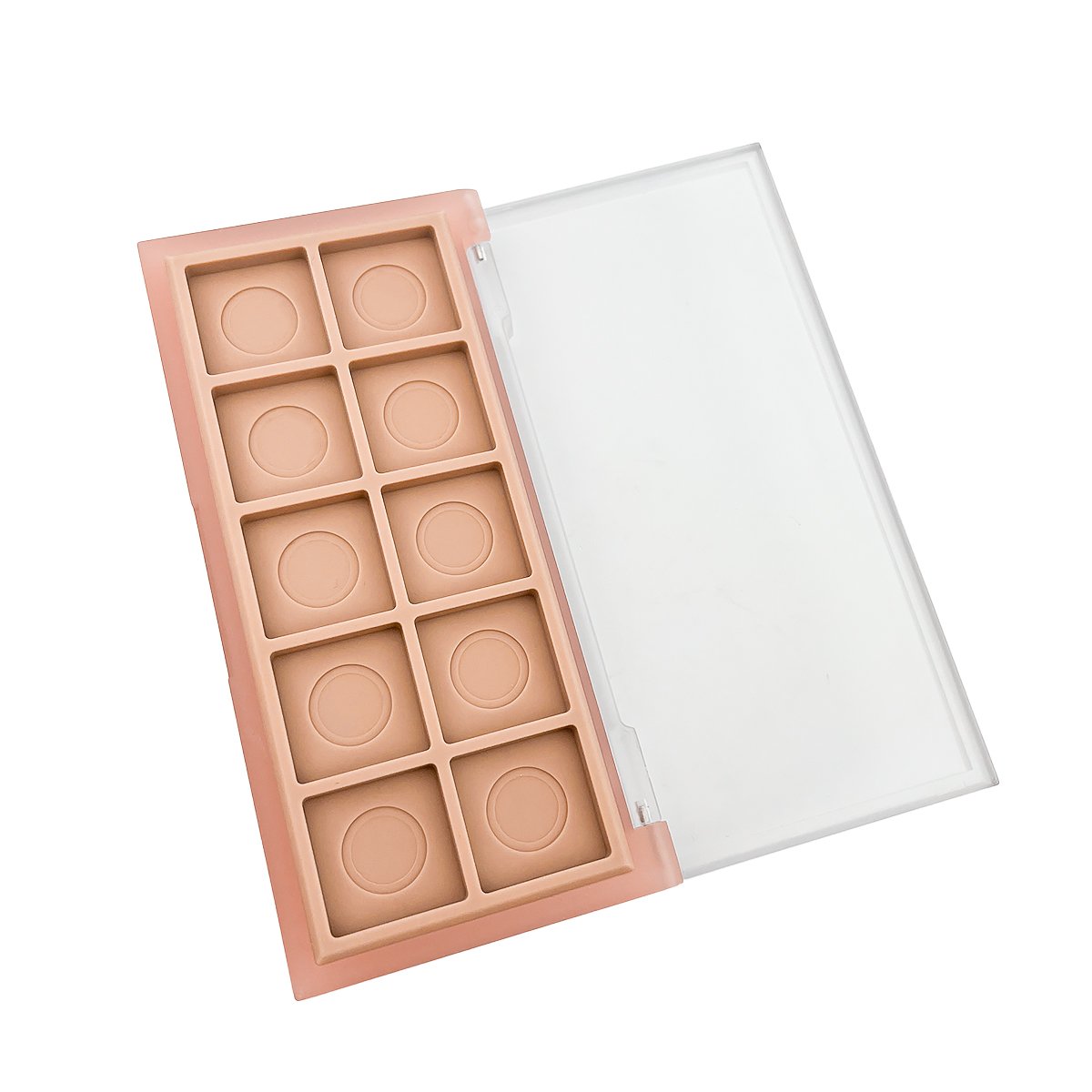
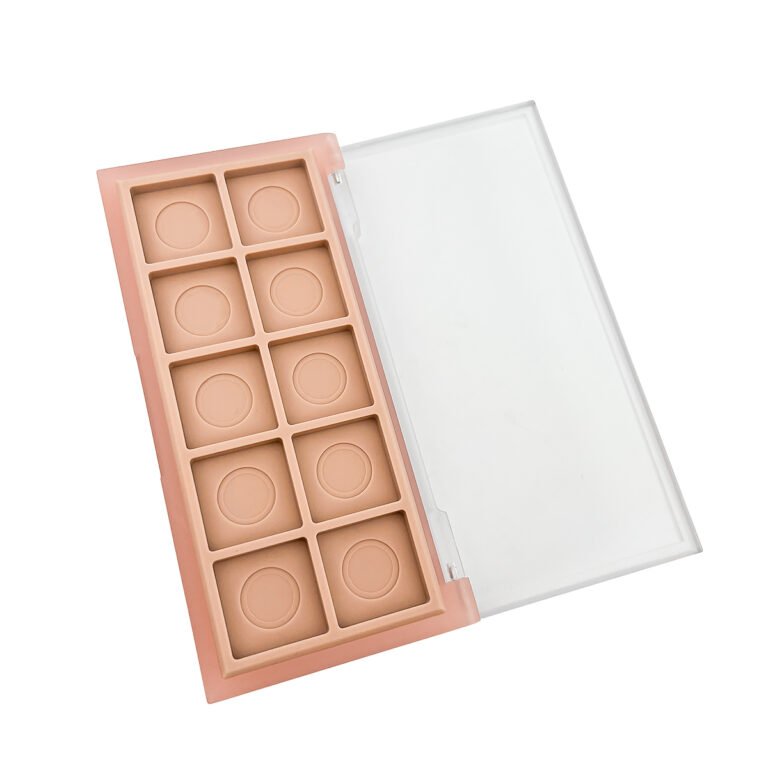
Eyeshadow palettes are the clearest canvas for this trend. A ten-pan eyeshadow palette with a magnetic closure, suede-touch lid, and debossed logo photographs like a $60 product while costing a fraction of that at the tooling stage.
6. Climate-Ready Packaging for Humid and Hot Markets
Southeast Asia, the GCC, and coastal Brazil share a brutal common enemy: heat and humidity that wreck powder cohesion, melt lip products, and fog mirrors. A defining theme of 2027 cosmetic packaging trends is climate-ready engineering — desiccant-compatible compact cavities, tighter mirror seals, and cushion compacts with hydrophobic puff housings. Specifying the right seal early prevents the costly “sticky pan” returns that destroy a new SKU’s rating.
The hexagon cushion compact and its siblings are frequent starting points for brands entering these markets because the closure geometry already supports a humidity-resistant gasket.
2027 Trend → Packaging Type → Indicative Price Range
| 2027 Trend | Packaging Type | Typical Price Range (USD/unit, FOB)* | Best-Suited Market |
|---|---|---|---|
| Refillable systems | Refillable cushion compact / lipstick refill | $0.55–1.40 | North America, GCC, Western Europe |
| PCR content | PCR-PP lip gloss tube (30–100% PCR) | $0.18–0.45 | North America, Brazil, EU |
| Mono-material | Mono-PP eyeshadow palette | $0.60–1.30 | North America, EU, Japan |
| Mini / travel | Mini lip gloss tube 3–4 ml | $0.15–0.38 | Southeast Asia, Brazil, travel retail |
| Quiet luxury | Metallized / debossed lipstick tube | $0.70–1.80 | GCC, Russia, North America |
| Climate-ready | Humidity-sealed cushion compact | $0.45–1.10 | Southeast Asia, GCC, Brazil |
*Indicative FOB per-unit ranges at 10,000+ pcs, excluding tooling and decoration. Final pricing depends on resin grade, decoration passes, and Incoterms — confirm with a formal quote.
Custom Packaging Specification Sheet (Typical Ranges)
| Parameter | Typical Range / Options |
|---|---|
| Capacity | 3–15 ml (tubes); 5–30 g (compacts); 1–12 pans (palettes) |
| Material | ABS, PP, PCR-PP, AS, PMMA, aluminum |
| Neck / closure | 13–20 mm; magnetic, snap-fit, or screw |
| Applicator / head | Dobber, flocked wand, cushion puff, sponge |
| Decoration | Soft-touch, UV, hot-stamp, metallization, deboss |
| MOQ | 5,000–12,000 pcs (custom); 500–2,000 pcs (stock) |
| Lead time | 25–40 days sampling; 30–55 days production |
| Certification | ISO 9001; FDA MoCRA-ready; EU REACH; halal on request |
| Target market | North America, Brazil, Russia, GCC, Southeast Asia |
Common Mistakes Brands Make Adopting 2027 Trends
- Specifying 100% PCR for a white shell without planning a coating — the grey shift surprises first samples.
- Designing a refillable closure after tooling is cut, not before — retrofits rarely seat flush.
- Treating mono-material as “just use one plastic” and skipping the hinge FEA, then cracking in drop test.
- Forgetting climate seals for SEA/GCC and eating returns on fogged mirrors.
- Quoting decoration by look alone; deboss and soft-touch need their own tooling and lead-time budget.
Frequently Asked Questions
Will switching to PCR resin slow my lead time?
Not if the grade is qualified in advance. We stock validated 30/50/100% PCR-PP pellets, so switching is a BOM change, not a new qualification. Plan an extra 3–5 days only for first-article color approval.
Is refillable packaging worth it for a small brand?
Often yes. Even at 5,000-unit MOQ, the refill repurchase loop improves lifetime value, and GCC/North American retailers now flag refillable as a listing advantage. The key is specifying cycle life before tooling.
Yes. Soft-touch, deboss, and tonal metallization on a mono-PP body read luxury and recycle cleanly. Premium feel comes from decoration and tolerances, not from mixed materials.
How do I protect powders in humid markets?
Specify a gasket-sealed mirror, desiccant-compatible cavity, and tighter compact tolerances at brief stage. Retrofitting seals after tooling is far more expensive than designing them in.
Ready to Spec Your 2027 Line?
Whether you need refillable compacts, PCR lip gloss tubes, mono-material palettes, or climate-ready cushions, our OEM/ODM team can take your brief from sketch to shipment across North America, Brazil, Russia, the GCC, and Southeast Asia. Contact our packaging engineers for a material and decoration quote, or browse the full custom packaging catalog.