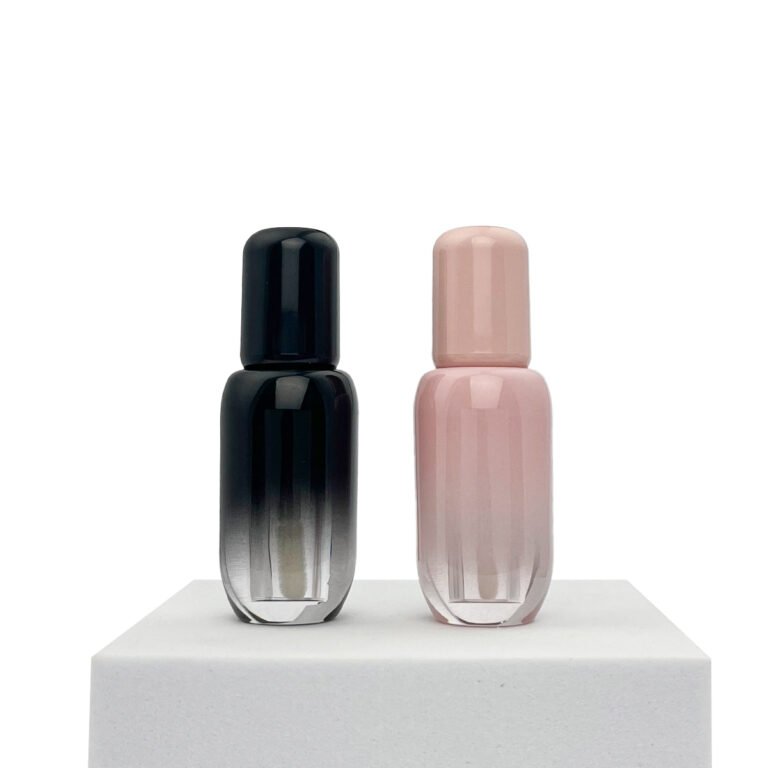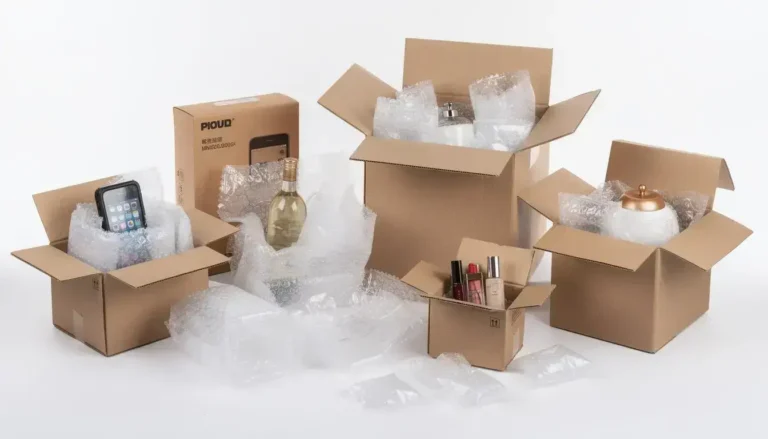
Why Supplier Selection Matters More Than Unit Price
Choosing the right China cosmetic packaging supplier is the single most consequential decision a beauty brand makes about its margin, launch date, and reputation. Whether you are building a lip gloss line for North America, a halal-certified compact for the GCC, or a humidity-resistant palette for Southeast Asia, your manufacturing partner determines product quality, regulatory compliance, and speed to shelf. This guide walks brand owners through the practical criteria that separate reliable OEM/ODM partners from risky vendors — from minimum order quantities (MOQ) and the sampling workflow to realistic lead times and the certifications each target market demands. We also publish typical indicative price ranges so you can budget with confidence and benchmark any supplier quote. For the end-to-end workflow, pair this with our step-by-step guide to sourcing cosmetic packaging from China and our comparison of OEM vs stock packaging.
1. Map Your Product Category and Target Market First
Before you email a single factory, lock down two things: which packaging type you need and which regions you will sell into. A supplier strong in aluminum lipstick tubes may be weak in paper eyeshadow palettes. Likewise, a vendor comfortable with EU compliance may have never handled ANVISA filings for Brazil or halal documentation for the Gulf. Match the factory to both your product and your market before requesting a quote.
Review the relevant product lines first:
Target-market snapshot:
- North America: FDA establishment registration and MoCRA labeling; intense scrutiny of clean-beauty claims.
- South America (Brazil): ANVISA registration and Portuguese-language labeling.
- Russia / EAEU: EAC conformity marking and import certification.
- Middle East (GCC): halal certification for many categories; premium anodized and metallic finishes in demand.
- Southeast Asia: high-humidity resistance, halal for Indonesia and Malaysia, fast e-commerce fulfillment.
2. Decode MOQ — and Why It Varies So Much
MOQ is not a fixed number; it is a function of tooling, decoration complexity, and whether you choose stock or fully custom packaging. Stock items can ship at 500–1,000 pieces, while a custom double-injection lipstick tube with magnetic closure may require 10,000–30,000 pieces to amortize the mold. Always ask what the MOQ buys you — mold ownership, exclusive colors, and priority scheduling are often part of the deal.
| Packaging type | Typical MOQ (custom) | Typical price range (FOB, China)* |
|---|---|---|
| Tabung lip gloss | 5,000–10,000 pcs | $0.15–0.45 / unit |
| Tabung lipstik | 5,000–20,000 pcs | $0.30–0.90 / unit |
| Mascara tube | 5,000–15,000 pcs | $0.25–0.70 / unit |
| Powder compact | 3,000–10,000 pcs | $0.50–1.80 / unit |
| Cushion compact | 5,000–15,000 pcs | $0.90–2.80 / unit |
| Eyeshadow / concealer / blush palette | 3,000–10,000 pcs | $0.80–2.50 / unit |
*Indicative FOB Shenzhen / Shanghai prices. Final cost depends on material, decoration, and order volume — always request a formal quotation.
3. The Sampling Workflow a Serious Supplier Should Offer
You should never move to mass production on a supplier’s word alone. A professional China cosmetic packaging supplier runs a staged sampling process so every risk is caught before tooling is cut:
- Prototype / 3D proof: validates shape, weight, and dimensions (3–7 days).
- Engineering sample: real material and decoration; checks fit with your formula (10–15 days).
- Pre-production sample (PP): pulled from the actual mass-production mold — your “golden sample” (15–25 days).
- Production samples: pulled from the running line for final QA sign-off.
Budget 25–45 days for the full sampling cycle on a custom project. Rushing this stage is the number-one cause of expensive rework and shipment rejections.

4. Lead Times: Sampling vs Mass Production
Sampling and mass production are different animals. Sampling is fast and flexible; mass production is gated by mold queues, raw-material lead times, and peak-season capacity (Q3–Q4 before the holiday rush). Build a buffer and confirm a written production schedule with penalty clauses for slippage.
| Stage | Typical duration |
|---|---|
| Prototyping | 3–7 days |
| Engineering sample | 10–15 days |
| PP / golden sample | 15–25 days |
| Mass production (custom) | 30–60 days |
| Mass production (stock) | 7–20 days |
| Sea freight to NA / SA / ME / SEA | 20–45 days |
5. Specification Table — What to Lock in With Your Supplier
Use this specification sheet as your RFQ template so every quote you receive is directly comparable.
| Parameter | Typical range / options |
|---|---|
| Material | ABS, AS, PP, PCR, aluminum, paperboard |
| Kapasitas | 1–15 ml (tubes); 3–30 g (compacts / palettes) |
| Neck / closure | 11–24 mm screw, snap-fit, magnetic |
| Decoration | UV print, hot stamping, spray coat, silk screen, labeling |
| MOQ | 3,000–10,000 pcs (stock); 5,000–30,000 pcs (custom) |
| Lead time | 25–45 days sampling; 30–60 days production |
| Certifications | ISO 9001, BSCI, FDA, EU 10/2011, MSDS, halal |
| Target markets | North America, Brazil / SA, Russia, GCC, SEA |
6. Compliance and Certifications by Market
Compliance is where weak suppliers fail silently. Confirm documentation before you pay a deposit:
- North America: FDA establishment registration and MoCRA labeling; OTC categories need extra filings.
- Brazil: ANVISA registration and Portuguese-language labels — see our guide to the Brazil and South America cosmetic market and ANVISA compliance.
- Russia / EAEU: EAC conformity marking.
- GCC / Middle East: halal certification for relevant categories; premium finishes expected.
- Southeast Asia: humidity-resistant seals; halal for Indonesia and Malaysia; e-commerce-ready secondary packaging.
For a material strategy that supports these markets, our sustainable cosmetic packaging guide is a useful companion.
7. Red Flags: How to Spot a Risky Supplier
- No physical factory address, or refusal of a video tour or third-party audit.
- No written sampling policy, or refusal to provide a golden sample.
- Vague lead times (“about two months”) with no schedule.
- Cannot show certifications relevant to your target market.
- Pressure to skip QA or accept “visual inspection only.”
- Poor, inconsistent communication that disappears after the deposit.
8. A Practical Supplier Evaluation Checklist
Score each candidate 1–5 on these eight points:
1. Relevant category experience (can show similar SKUs). 2. Transparent MOQ and tiered pricing. 3. Documented sampling and PP-sample process. 4. Written lead-time commitment with penalty clauses. 5. Market-specific certifications already on file. 6. QA system (AQL sampling, drop and leak tests). 7. References from brands in your region. 8. Responsive, fluent communication in your working language.
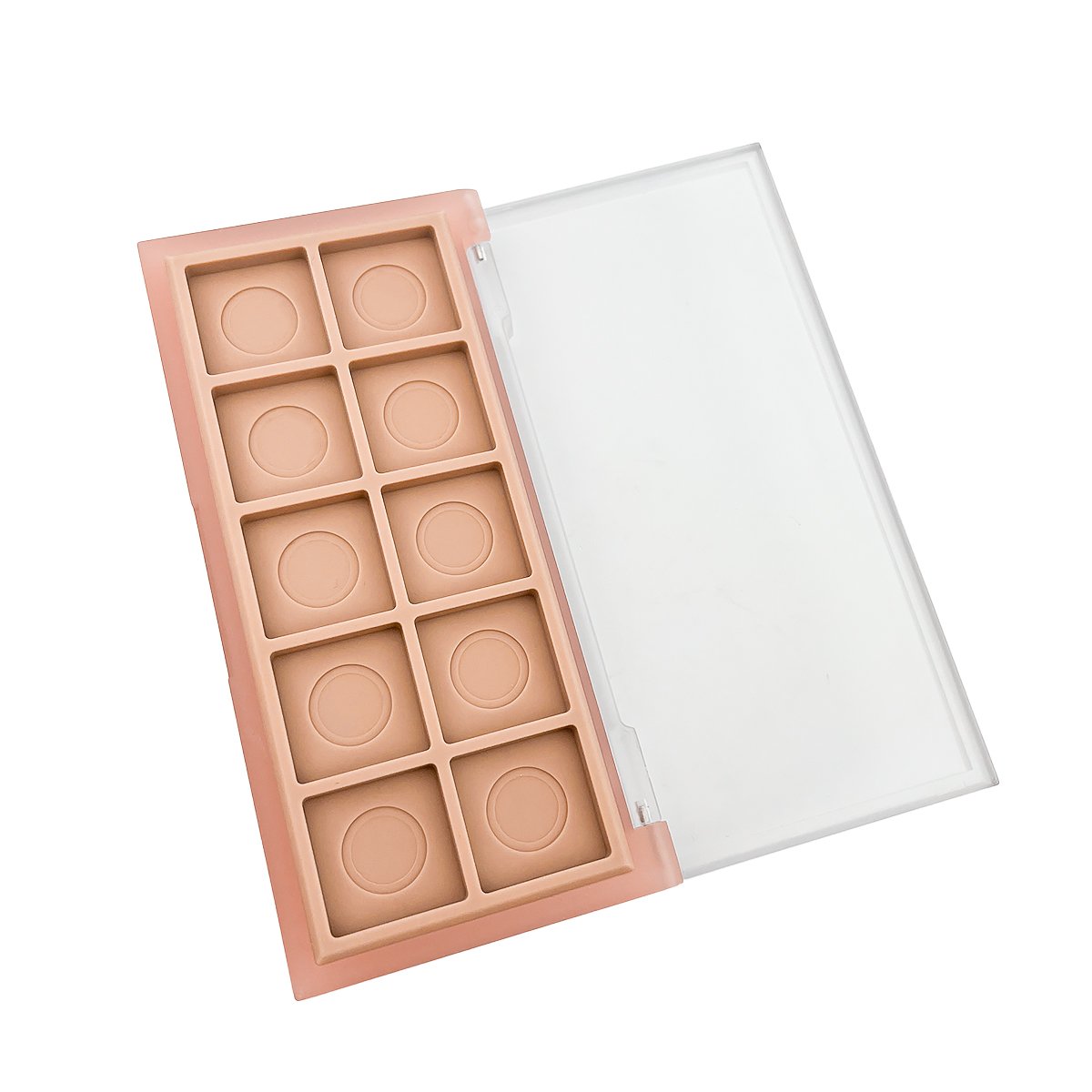
9. Common Mistakes Buyers Make
- Choosing on price alone and ignoring mold ownership and exclusivity.
- Skipping the PP sample to “save time” — the classic false economy.
- Underestimating decoration lead time (hot-stamping and anodizing queues fill fast).
- Forgetting formula-compatibility and food-contact testing.
- Leaving incoterms unclear; confirm FOB vs EXW vs DDP with your supplier before signing.
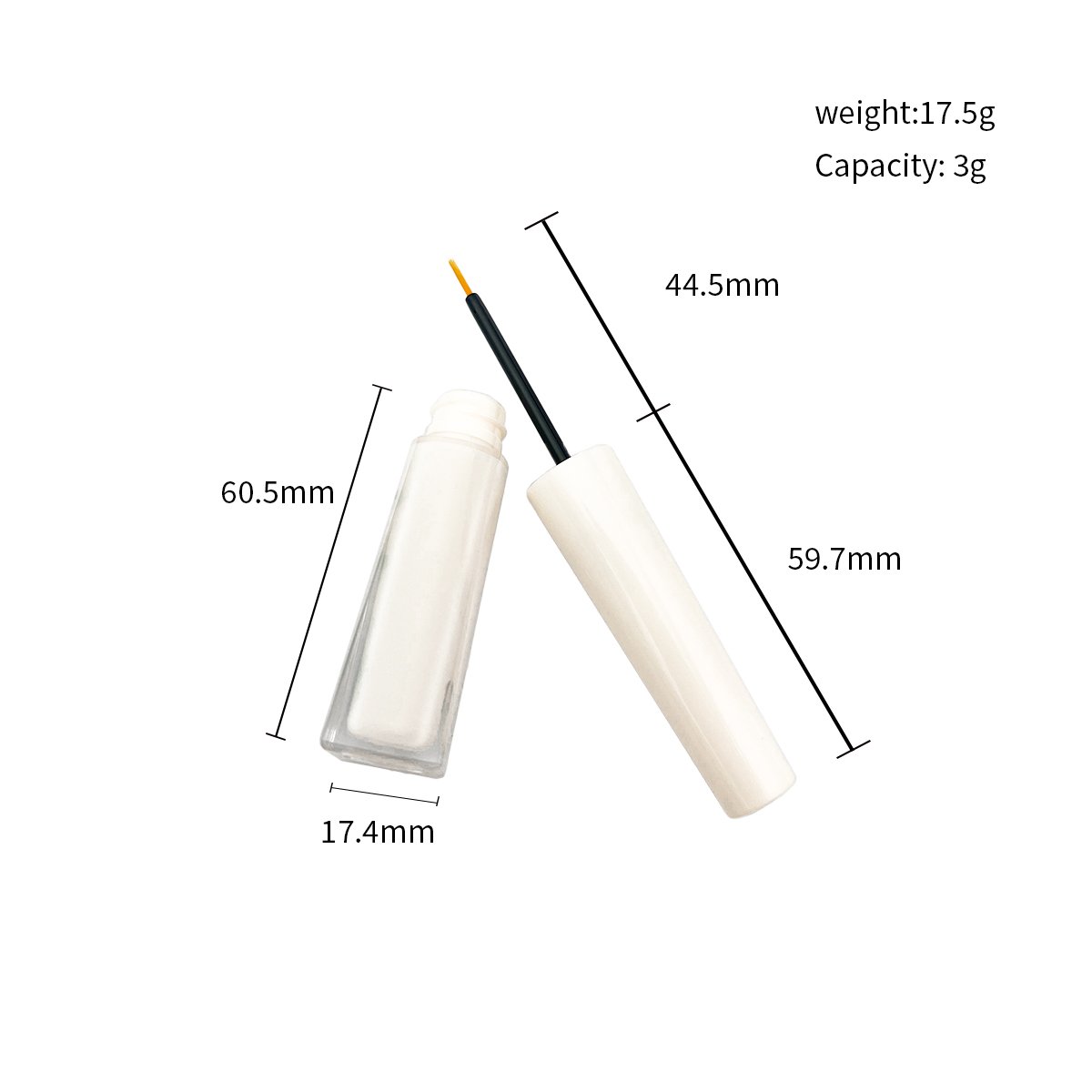
FAQ
How many suppliers should I quote? At least three, ideally five, using the same RFQ spec so quotes are truly comparable.
Is a lower MOQ always better? Not necessarily. A slightly higher MOQ may unlock better unit pricing and priority scheduling during peak season.
Can one factory make my whole color line? Often yes, if they are a true OEM/ODM group covering lip, eye, and face — consolidating simplifies logistics and QA.
What deposit is normal? Typically 30% deposit with 70% before shipment; sampling is usually paid separately.
Ready to Shortlist Your Manufacturing Partner?
Choosing a China cosmetic packaging supplier does not have to be a gamble. Send us your product type, target markets, and estimated volume, and our team will return a comparable quotation with MOQ, sampling timeline, and the certifications your markets require. Contact us today to start your custom project — or browse our lip gloss tubes, eyeshadow palettes, and mascara tubes to see what is possible.